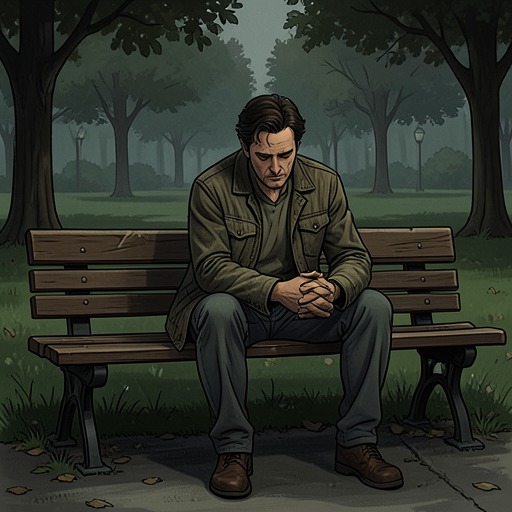
Eli’s grief and withdrawal after Abe’s death
Along for the RideEli’s grief and withdrawal after Abe’s death mark a lasting break in his competitive riding and social life. Abe’s death followed a car crash after a BMX event, with Eli at the wheel; although the crash was caused by another driver, Eli was profoundly affected. He gave up sponsorships and riding, did not attend the college he had deferred, and became markedly isolated. Later scenes offer signs of movement away from that withdrawal, but not a declaration that the loss has been resolved.
The accident and its aftermath
Maggie dates Abe’s death to May of the previous year. Abe and Eli had been sponsored riders for a couple of years and were in Brockton for an event at Concrete Jungle. Both had begun in BMX; Eli had moved into half-pipe, while Abe concentrated more on flatland competition. They were also both skilled in urban riding. Their shared athletic life makes the loss consequential not only as the death of Eli’s friend, but as the rupture of a partnership organized around training, competition, and travel.
The crash happened after the event, while the two were driving back from a party. Eli was driving when another vehicle ran a four-way stop and hit them; Abe was killed. Leah identifies the other driver as drunk, and Esther stresses that the crash was not Eli’s fault. That distinction does not undo the loss, but it counters the idea that Eli caused it. The account presents the tragedy through friends recounting what happened to Auden, who did not know that Abe had died until Maggie told her.
Maggie remembers being at Jake’s house when Eli called from the hospital. He was trying to speak, but she could hear that he was deeply distressed. She folds the gum wrapper in her hand into a tiny square as she recounts the call, then leaves the memory unfinished and looks out at the water. The small, deliberate gesture and the break in her telling convey how difficult the recollection remains for her, while also making her a witness to the immediate aftermath of Eli’s loss.
Withdrawal from riding and ordinary life
Esther describes Eli as never having been the same after Abe died, as though Abe had taken part of him with him. Maggie supplies the practical consequences: Eli gave up his sponsorships and stopped riding altogether. He had been admitted to the U and deferred college so he could continue competing, but he did not go. Instead, he took a job managing the bike shop. The choices trace a retreat from the future he had been preparing for: competition had shaped his plans, yet after Abe’s death both riding and the deferred college path fell away.
His withdrawal extended beyond BMX. Maggie says he stopped going to parties and spending time with others, and hardly spoke. Friends came to believe that he no longer rode at all. Their picture of him is therefore not simply that of an athlete who changed disciplines or paused competition; riding and social participation had both receded from his life. Leah’s brief qualification, after hearing that Auden once saw him riding on the boardwalk late at night, introduces uncertainty into what his friends thought they knew. The sighting does not establish a full return, but it shows that his absence from public riding is not the whole story.
Signs of movement
A later conversation in a store gives that uncertainty a concrete form. Eli takes a midsize bicycle from a row of bikes and rides it around Auden and the cart while they discuss Hollis and relationships. As they pass the bikes, Eli argues that relationships may not make sense from the outside and that people can change. Auden connects this claim to the belief that he no longer rides and points out the contradiction between what people think and what he is doing in front of her. The scene places his own tentative return beside his insistence that change is possible for someone else.
Maggie also links a change in Eli’s social behavior to Auden’s arrival. She says he had done almost nothing socially since Abe died and notes that he now tolerates events such as the bean-throwing food fight rather than withdrawing from them. She is glad to see the shift, but warns Auden that Eli may not recover from being hurt as readily as Jake seemed to. Her concern makes the renewed contact emotionally consequential: what looks to Auden like playfulness or a brief change in routine may matter more to Eli because it breaks a long period of isolation.
Significance and limits of recovery
The account distinguishes visible change from completed recovery. Eli’s bicycle ride in the store and his occasional participation in social life interrupt the assumption that he has stopped riding and engaging altogether. Yet the evidence does not show him reclaiming his former sponsorships, returning to competition, attending the U, or putting his grief behind him. His new actions remain small against the scale of the life he relinquished.
Auden’s encounters with him also change the way others understand his withdrawal. Maggie’s warning asks her to recognize the stakes of approaching someone whose loss has left him isolated, while Eli’s own behavior complicates the belief that people never change. The tension is central to the portrayal: Abe’s death continues to shape Eli’s choices, but it does not make every later possibility impossible. His grief is presented as both a rupture with lasting consequences and a state in which tentative re-entry into riding and companionship can still begin.